If you have ever tried to stuff a king-sized comforter into a standard home washing machine, you already know the struggle. The drum is too small, the comforter barely gets wet, and the results are disappointing at best. Learning how to wash a comforter at a laundromat is the simplest way to get your bulky bedding truly clean without damaging your home appliances or your bedding. In this guide, we will walk you through everything you need to know, from choosing the right machine to drying your comforter perfectly.
Why Wash Your Comforter at a Laundromat?
Comforters, duvets, and heavy blankets need room to move freely in the wash drum. When bedding is crammed into a machine that is too small, water and detergent cannot circulate evenly. The result is uneven cleaning, leftover soap residue, and clumped filling that never fully recovers.
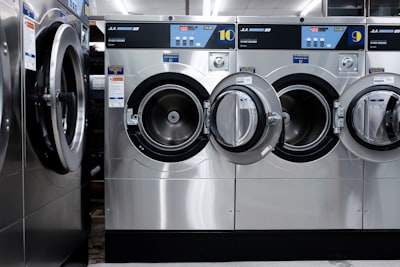
A laundromat solves this problem with large-capacity commercial machines that give your comforter the space it needs. These machines also spin faster during the extract cycle, pulling out more water so your bedding dries quicker. It is one of the biggest reasons people visit a laundromat, and it often costs less than you might expect compared to professional dry cleaning.
What You Will Need
Before heading to the laundromat, gather a few essentials so your trip goes smoothly:
- Mild liquid detergent — Avoid powder, which can leave residue in thick bedding. Use about half the amount you would for a regular load.
- Stain remover — Pre-treat any visible spots before washing.
- Dryer balls or clean tennis balls — These help fluff the filling and prevent clumping during drying.
- Quarters or bills — Our coin changers on site make it easy if you need to break bills.
- A large laundry bag or clean sheet — Useful for transporting your comforter to and from the laundromat.
Step-by-Step: How to Wash a Comforter at a Laundromat
Step 1: Check the Care Label
Before anything else, read the care label on your comforter. Most cotton, polyester, and synthetic-fill comforters are machine washable. Some down comforters can also be machine washed, but a few require dry cleaning only. If the label says "dry clean only," follow that instruction to avoid ruining the filling or fabric.
Step 2: Pre-Treat Stains
Lay your comforter flat and look for stains, spots, or discolored areas. Apply a gentle stain remover directly to those areas and let it sit for 10 to 15 minutes. For food or body-oil stains, a small dab of dish soap works well. Do not rub aggressively — just gently work the product into the fabric.
Step 3: Choose the Right Machine Size
This is the most important step. Your comforter should fill no more than about two-thirds of the washer drum. That extra space allows water to flow around the bedding and clean it thoroughly.
- Twin or full comforter: A medium-capacity washer (around 3.5 to 4.5 cubic feet) usually works.
- Queen comforter: Use a large-capacity machine (5+ cubic feet).
- King comforter or thick duvet: Go with the biggest machine available — typically the large, front-loading commercial washers.
At Sunshine Coin Laundry on Vermont Ave, we have a range of machine sizes including oversized washers designed specifically for bulky bedding, so you will always find the right fit.
Step 4: Select the Right Settings
Use a gentle or delicate cycle with cold or warm water. Hot water can shrink certain fabrics and damage down filling. Cold water is the safest choice for most comforters and is just as effective with a good liquid detergent.
Add your detergent before placing the comforter in the machine, or pour it into the dispenser if one is available. Use less soap than you think you need — too much detergent leaves residue that is difficult to rinse out of thick bedding.
Step 5: Load the Comforter Evenly
Place the comforter loosely into the drum. Do not fold it into a tight square or stuff it in. Spread it around the drum as evenly as possible so the machine stays balanced during the spin cycle. An unbalanced load can cause the machine to vibrate excessively and may not clean your bedding evenly.
Pro tip: Run an extra rinse cycle after the main wash. Comforters are so thick that a single rinse often leaves soap trapped inside the filling. That extra rinse takes just a few minutes and makes a real difference.
Step 6: Dry Thoroughly
Transfer your comforter to a large-capacity dryer. A damp comforter is heavy, so take your time moving it. Use a low to medium heat setting — high heat can damage delicate fabrics and shrink cotton shells. Toss in two or three dryer balls or clean tennis balls to break up clumps and keep the filling evenly distributed.
Expect the drying process to take 60 to 90 minutes, sometimes longer for thick down comforters. Check your comforter every 20 to 30 minutes and fluff it by hand. It is important that the comforter is completely dry before you take it home. Any remaining moisture can lead to mildew and unpleasant odors.
Tips for Different Comforter Materials
Cotton Comforters
Cotton is durable and handles machine washing well. Use warm water and a standard gentle cycle. Cotton can shrink slightly in high heat, so stick with a medium dryer setting. These comforters dry relatively quickly compared to down.
Down and Down-Alternative Comforters
Down requires extra care. Always use cold water and a gentle cycle with a mild, non-bleach detergent. Some people prefer a down-specific detergent to preserve the natural oils in the feathers. During drying, low heat is essential — high heat can damage the down clusters. Dryer balls are especially important here to prevent the down from clumping into dense, flat spots.
Synthetic-Fill Comforters
Polyester and other synthetic fills are the most forgiving. They tolerate warm water, dry faster, and are less prone to clumping. However, you should still avoid high heat, which can melt or damage synthetic fibers over time. A medium heat setting gives the best results.
Why Large-Capacity Machines Matter
Standard household washers typically range from 2.5 to 4.5 cubic feet. That is barely enough for a queen-sized comforter, and a king-sized one simply will not fit properly. Commercial laundromat washers, on the other hand, can range from 5 to 8 cubic feet or even larger.
That extra space is not a luxury — it is a necessity. A comforter that has room to tumble freely gets cleaner, rinses more thoroughly, and comes out with less wrinkling. The high-speed extract cycles in commercial machines also remove significantly more water than a home washer, which means shorter drying times and lower energy costs. Check out our large-capacity machine options to see what is available.
How Often Should You Wash Your Comforter?
Most experts recommend washing your comforter every two to three months. If you use a duvet cover, you can stretch that to every four to six months since the cover protects the comforter from direct contact with skin oils and dust. During allergy season or if someone in your household has been sick, washing more frequently is a good idea.
Laundromat Etiquette When Washing Large Items
Washing bulky bedding takes longer than a regular load, and the large machines are popular. Be considerate of other customers by removing your items promptly when the cycle finishes. If you are new to using a shared laundry facility, our guide on laundromat etiquette covers the unwritten rules that help everyone have a pleasant experience.
Bring Your Comforter to Sunshine Coin Laundry
Washing a comforter at a laundromat does not have to be complicated. With the right machine, the right water temperature, and a little patience during the drying cycle, your bedding will come out fresh, fluffy, and ready for a great night's sleep.
At Sunshine Coin Laundry, we have the large-capacity washers and dryers you need to get the job done right. Our facility at 10808 S Vermont Ave in Los Angeles is clean, well-maintained, and open 7 days a week from 6 AM to 10 PM. Our friendly attendants are always happy to help you pick the right machine size if you are unsure. Stop by and see the difference a proper wash makes for your bedding.